Table of Contents
For barbershop purchasing, a search for adjustable barber chair is only the start of the decision. This guide focuses on dimension review and the evidence needed to move from a product shortlist to a clear purchasing brief. Confirm the exact configuration before treating a photograph or a category name as a specification.
Adjustable Barber Chair: The Decision to Make
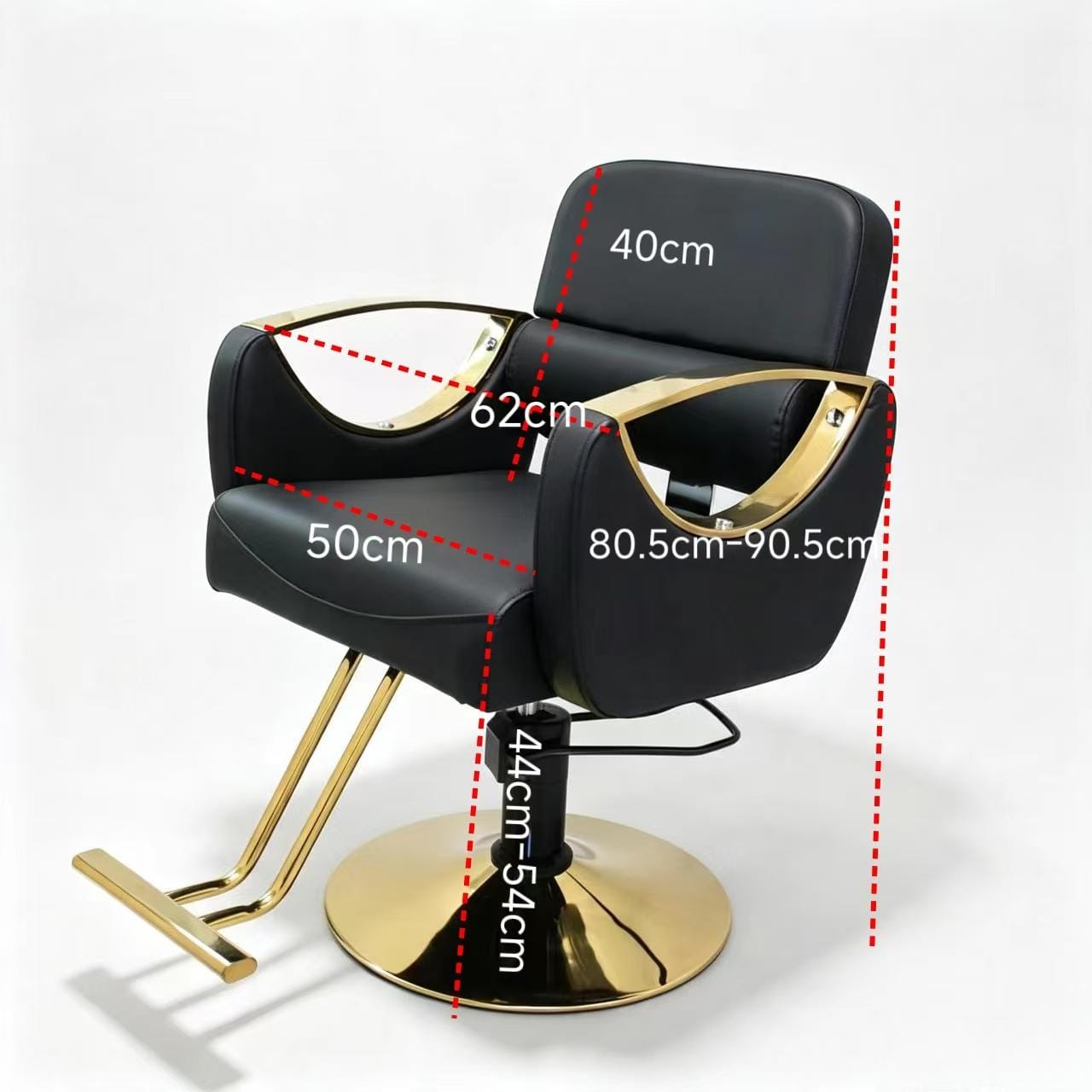
When considering a adjustable barber chair, start with the question your team must answer: how will the selected configuration support the planned services and the way the station is used? A dimension review starts by naming the points being measured. Overall width, clear seat width and base diameter answer different questions. Ask for a drawing that labels them separately, then identify the limits imposed by the intended workstation.
Height adjustment as a measured range
For anyone researching adjustable barber chair, the following distinction matters. The lowest usable seat position matters just as much as the highest. A taller upper limit may help one task while a high starting position makes customer entry awkward. Compare the range with staff preferences and the intended service menu.
Measure from the finished floor to a clearly defined point on the seat. Keep cushion condition and chair configuration consistent between samples. Ask whether published values are nominal and which tolerances apply.
Dimension Review: A Practical Review
A useful review of a adjustable barber chair records observations that another buyer can check. Check upright and service-position dimensions rather than copying one depth value into the floor plan. Record any adjustable component in a defined position. If two suppliers use different measurement conventions, obtain comparable values before ranking the options.
Retain the drawing revision and your marked-up questions. Close any gap between the sample and the drawing before ordering. A final measurement record should explain both the selected model and the space it needs.
Questions to Ask About Adjustable Barber Chair
Keep a written brief when researching adjustable barber chair so that required information is not lost between sales conversations. Try the intended working positions within the operating instructions, then record where the range is restrictive. Avoid declaring one universal ideal chair height; customers, operators and tasks differ. The purchasing decision should identify a workable range, not a single fashionable number.
Compare the Evidence
The table below turns the discussion into a short review record. Keep missing information visible rather than treating an unanswered item as a pass.
| Item to verify | Evidence to request | Decision rule |
|---|---|---|
| Minimum seat height | Current model sheet with the relevant field identified | Check against the actual station brief |
| maximum seat height | Model-specific drawing or a labeled demonstration | Resolve unclear dimensions or functions before approval |
| measurement datum | Physical sample or approved reference photograph | Confirm the accepted configuration in writing |
| floor condition | Written scope, instructions or part reference | Keep the record available for reorders and service |
Connect the Brief to a Catalog Model
Use BZ004 Hydraulic Barber Chair as a concrete catalog reference when discussing a adjustable barber chair with Junlin. The link identifies a current listed model; it does not confirm that every feature in your brief is available on that model. Ask the team to mark confirmed items and propose alternatives for any mismatch.
As you research adjustable barber chair, keep a separate note of dimensions, materials and support terms still to be confirmed. The OEM and wholesale service page provides a starting point for discussing samples and requested changes; the final scope belongs in the quotation.
Avoid These Purchasing Assumptions
When researching adjustable barber chair, do not transfer a statement from one product listing to another configuration. Similar upholstery and a shared visual style do not establish identical mechanics, dimensions or ratings. Treat a changed component or an unclear description as a question to resolve, rather than filling the gap with an assumption.
For general context, Wikipedia’s overview of the barber chair introduces the product category. It is background reading, not evidence of the specifications, certification or performance of any Junlin model. Use the supplier documents for the actual purchasing decision.
Prepare Your Inquiry
Bring your findings on a adjustable barber chair, station requirements and the completed comparison record to Junlin’s sales team. Include quantity, destination, the required finish and the questions left open after dimension review. Request a model-specific quotation and sample proposal so the next decision rests on agreed information.
Frequently Asked Questions
Which details should I confirm when researching adjustable barber chair?
For anyone researching adjustable barber chair, the key items are minimum seat height; maximum seat height; measurement datum; floor condition. Keep each response linked to the exact model and configuration rather than a general product family.
How does dimension review help me assess a adjustable barber chair?
Use the stated operating instructions and a written checklist. When researching adjustable barber chair, record the observations that answer your purchasing question, then identify any change or further evidence needed.
Does the linked product confirm every requested option?
No. The linked catalog model is a reference for your inquiry. Unlisted colors, material choices, dimensions and functional changes require separate confirmation and a quotation.
Can I compare offers using the unit price alone?
Compare the same configuration and quantity first. The quotation should make its options, packing scope, validity and support arrangements clear before you compare totals.
What should I send with an inquiry about a adjustable barber chair?
Send the model reference, quantity, required finish, destination and your unresolved specification questions. Attach the relevant station measurements or approved sample references where available.