Table of Contents
For barbershop purchasing, a search for ergonomic barber chair is only the start of the decision. This guide focuses on operator access and the evidence needed to move from a product shortlist to a clear purchasing brief. Confirm the exact configuration before treating a photograph or a category name as a specification.
Ergonomic Barber Chair: The Decision to Make
When considering a ergonomic barber chair, start with the question your team must answer: how will the selected configuration support the planned services and the way the station is used? Operator access depends on the task, chair position and surrounding equipment. Observe where a person stands during cutting, finishing and any approved reclined service. Note whether the chair structure or nearby storage makes routine movement awkward.
Comfort through fit and working posture
For anyone researching ergonomic barber chair, the following distinction matters. A soft cushion is only one part of seated comfort. Seat depth, back shape, arm spacing and foot support also influence how a customer sits. A chair that feels plush briefly can still be a poor fit for the intended appointment.
Evaluate the sample with the planned service sequence and a range of suitable participants, within its operating limits. Collect specific observations such as pressure at the front seat edge or difficulty reaching an armrest. Avoid promises that a chair prevents pain or treats a medical condition.
Operator Access: A Practical Review
A useful review of a ergonomic barber chair records observations that another buyer can check. Ask several intended operators to comment on specific positions under normal operating conditions. Collect observations about reach and control access rather than medical conclusions. A preference expressed by one person should be checked against the needs of the wider team.
Translate the findings into dimensions or functional requirements the supplier can answer. Keep the accepted tradeoffs visible in the purchasing record. This makes the final choice easier to explain when staff have different preferences.
Questions to Ask About Ergonomic Barber Chair
Keep a written brief when researching ergonomic barber chair so that required information is not lost between sales conversations. For the operator, observe reach around the shoulders, space for the feet and access to controls. Compare feedback from people with different working heights. A useful trial ends with an agreed shortlist of adjustments and measurements.
Compare the Evidence
The table below turns the discussion into a short review record. Keep missing information visible rather than treating an unanswered item as a pass.
| Item to verify | Evidence to request | Decision rule |
|---|---|---|
| Seat depth | Current model sheet with the relevant field identified | Check against the actual station brief |
| back contour | Model-specific drawing or a labeled demonstration | Resolve unclear dimensions or functions before approval |
| arm spacing | Physical sample or approved reference photograph | Confirm the accepted configuration in writing |
| operator reach | Written scope, instructions or part reference | Keep the record available for reorders and service |
Connect the Brief to a Catalog Model
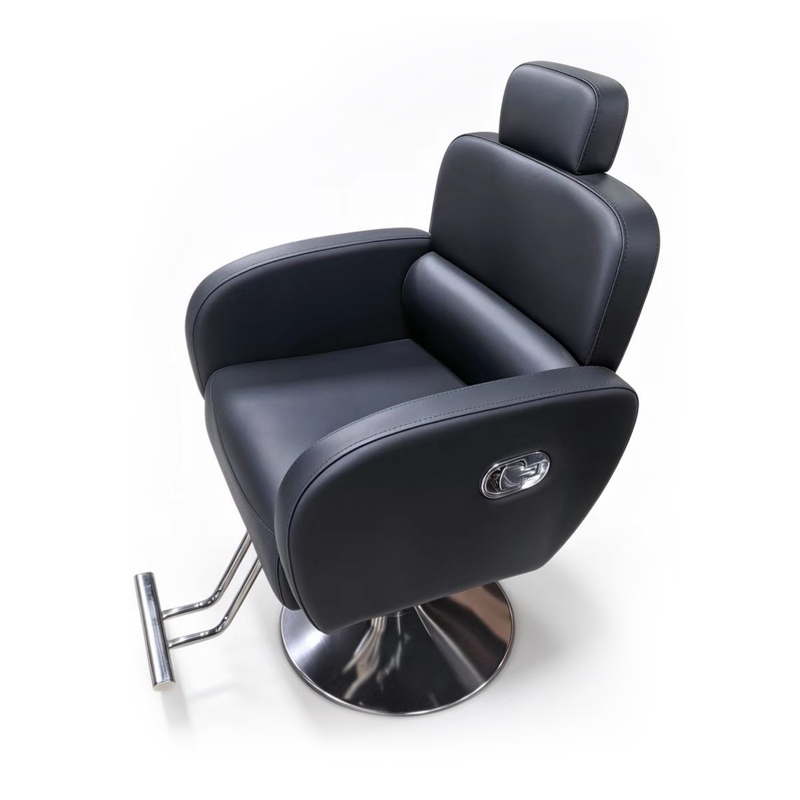
Use BZ003-F Ergonomic Barber Chair as a concrete catalog reference when discussing a ergonomic barber chair with Junlin. The link identifies a current listed model; it does not confirm that every feature in your brief is available on that model. Ask the team to mark confirmed items and propose alternatives for any mismatch.
As you research ergonomic barber chair, keep a separate note of dimensions, materials and support terms still to be confirmed. The OEM and wholesale service page provides a starting point for discussing samples and requested changes; the final scope belongs in the quotation.
Avoid These Purchasing Assumptions
When researching ergonomic barber chair, do not transfer a statement from one product listing to another configuration. Similar upholstery and a shared visual style do not establish identical mechanics, dimensions or ratings. Treat a changed component or an unclear description as a question to resolve, rather than filling the gap with an assumption.
For general context, Wikipedia’s overview of the barber chair introduces the product category. It is background reading, not evidence of the specifications, certification or performance of any Junlin model. Use the supplier documents for the actual purchasing decision.
Prepare Your Inquiry
Bring your findings on a ergonomic barber chair, station requirements and the completed comparison record to Junlin’s sales team. Include quantity, destination, the required finish and the questions left open after operator access. Request a model-specific quotation and sample proposal so the next decision rests on agreed information.
Frequently Asked Questions
Which details should I confirm when researching ergonomic barber chair?
For anyone researching ergonomic barber chair, the key items are seat depth; back contour; arm spacing; operator reach. Keep each response linked to the exact model and configuration rather than a general product family.
How does operator access help me assess a ergonomic barber chair?
Use the stated operating instructions and a written checklist. When researching ergonomic barber chair, record the observations that answer your purchasing question, then identify any change or further evidence needed.
Does the linked product confirm every requested option?
No. The linked catalog model is a reference for your inquiry. Unlisted colors, material choices, dimensions and functional changes require separate confirmation and a quotation.
Can I compare offers using the unit price alone?
Compare the same configuration and quantity first. The quotation should make its options, packing scope, validity and support arrangements clear before you compare totals.
What should I send with an inquiry about a ergonomic barber chair?
Send the model reference, quantity, required finish, destination and your unresolved specification questions. Attach the relevant station measurements or approved sample references where available.