Table of Contents
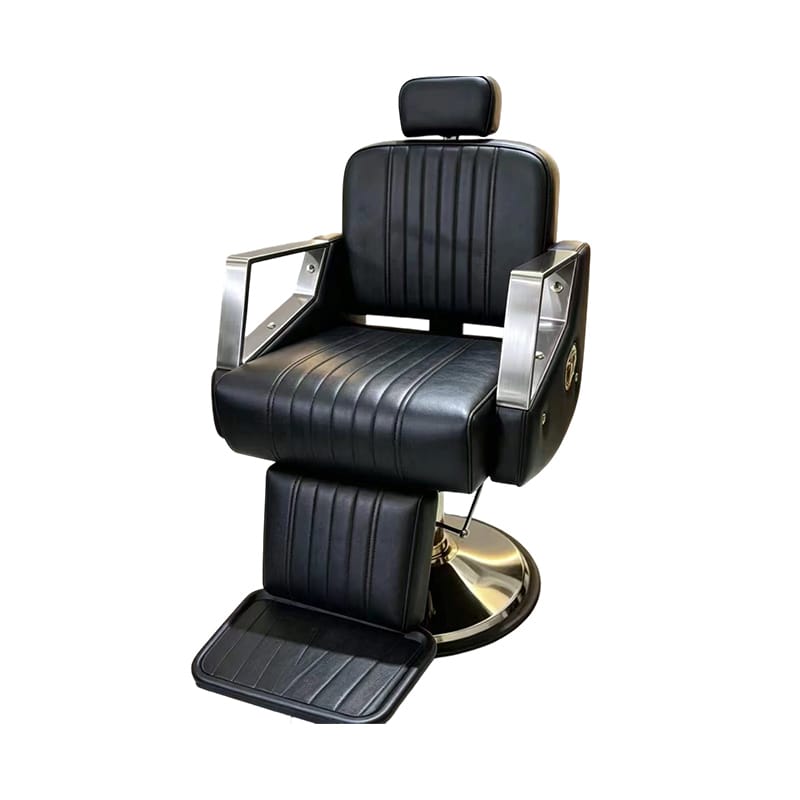
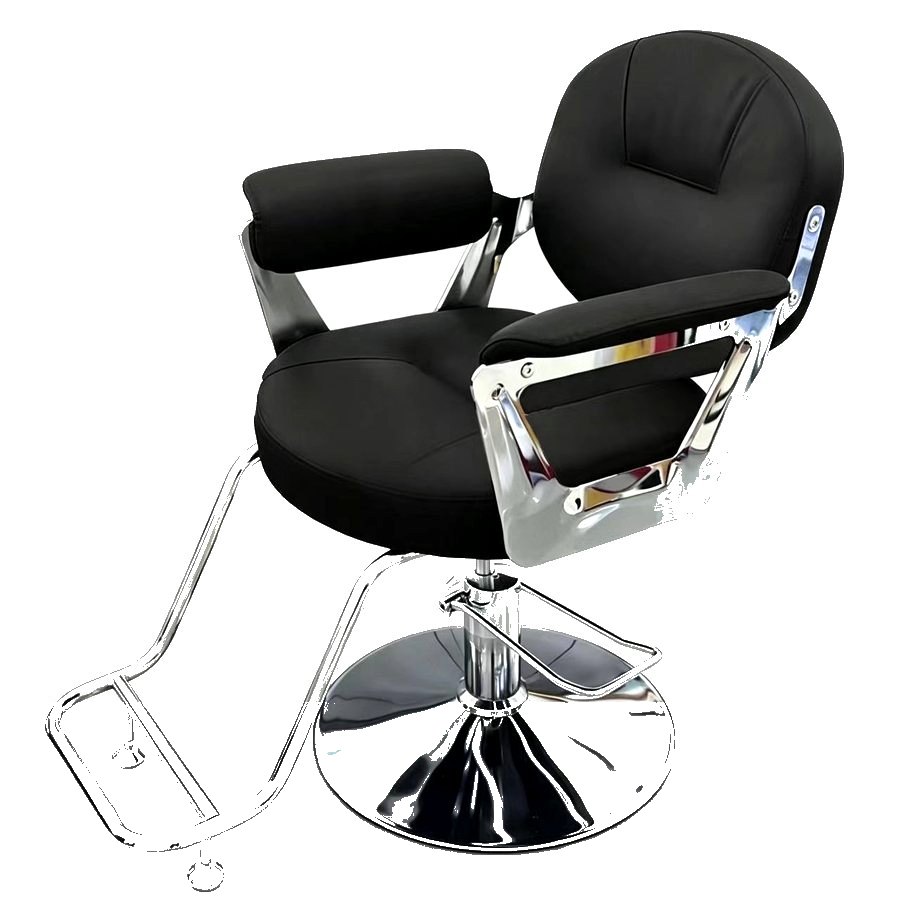
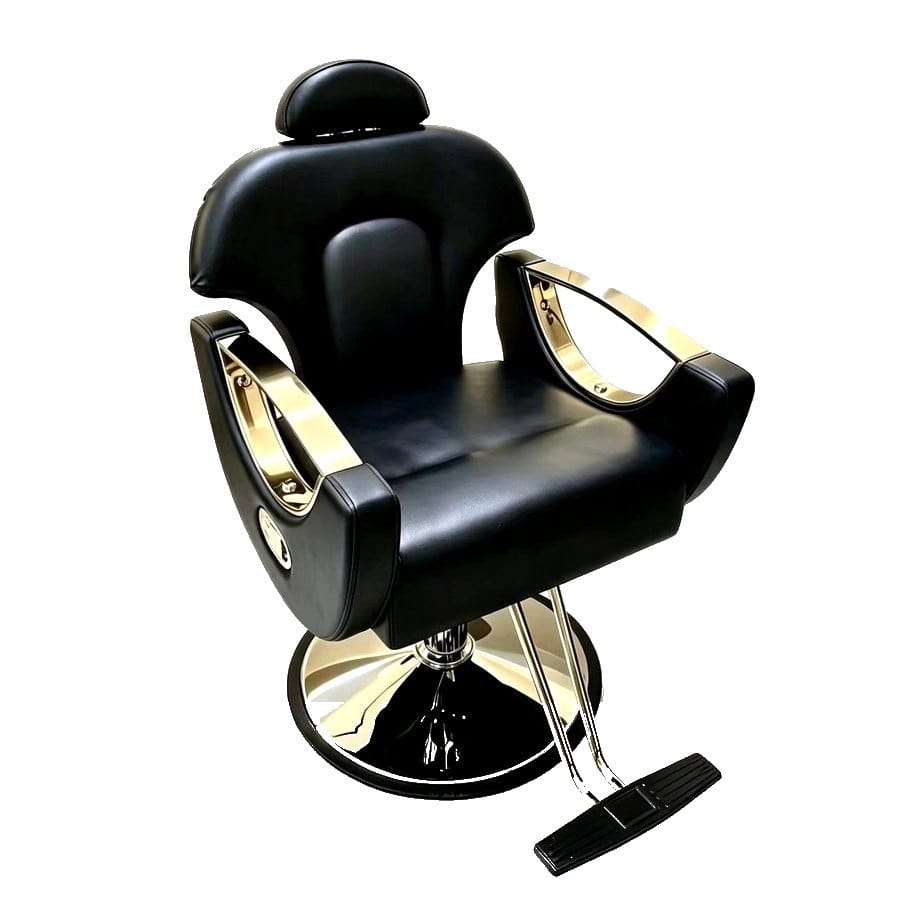
For barbershop purchasing, a search for leather barber chair is only the start of the decision. This guide focuses on material approval and the evidence needed to move from a product shortlist to a clear purchasing brief. Confirm the exact configuration before treating a photograph or a category name as a specification.
Leather Barber Chair: The Decision to Make
When considering a leather barber chair, start with the question your team must answer: how will the selected configuration support the planned services and the way the station is used? Material approval should connect a physical sample to a written description. Establish the upholstery and visible-metal references separately. A color match alone does not establish that the backing, surface treatment or construction is the same as the approved sample.
Upholstery identity and care compatibility
For anyone researching leather barber chair, the following distinction matters. Leather, PU-coated material and other synthetic upholstery should be identified explicitly in the quotation. A smooth black surface in a photograph cannot establish composition. Ask for the material specification and a sample from the proposed production supply.
Evaluate seams, edge finishing and the areas exposed to repeated contact. Ask the supplier for approved cleaning products and procedures. A general claim such as easy-clean does not show compatibility with every disinfectant or hair-treatment product.
Material Approval: A Practical Review
A useful review of a leather barber chair records observations that another buyer can check. Ask what material information is available and which care instructions apply. Review the actual surface around seams and curves where workmanship becomes visible. Keep a record of any accepted variation instead of relying on a broad description such as premium material.
Label the retained samples with the model, supplier and approval date. If a substitution is proposed, assess it before production. This avoids discovering a material change only after the chairs have arrived.
Questions to Ask About Leather Barber Chair
Keep a written brief when researching leather barber chair so that required information is not lost between sales conversations. Keep material selection separate from color approval. Record the material code, backing information where available and the agreed appearance standard. If the supply changes, request a new sample instead of approving a replacement by color name alone.
Compare the Evidence
The table below turns the discussion into a short review record. Keep missing information visible rather than treating an unanswered item as a pass.
| Item to verify | Evidence to request | Decision rule |
|---|---|---|
| Material code | Current model sheet with the relevant field identified | Check against the actual station brief |
| composition | Model-specific drawing or a labeled demonstration | Resolve unclear dimensions or functions before approval |
| seam finish | Physical sample or approved reference photograph | Confirm the accepted configuration in writing |
| approved care instructions | Written scope, instructions or part reference | Keep the record available for reorders and service |
Connect the Brief to a Catalog Model
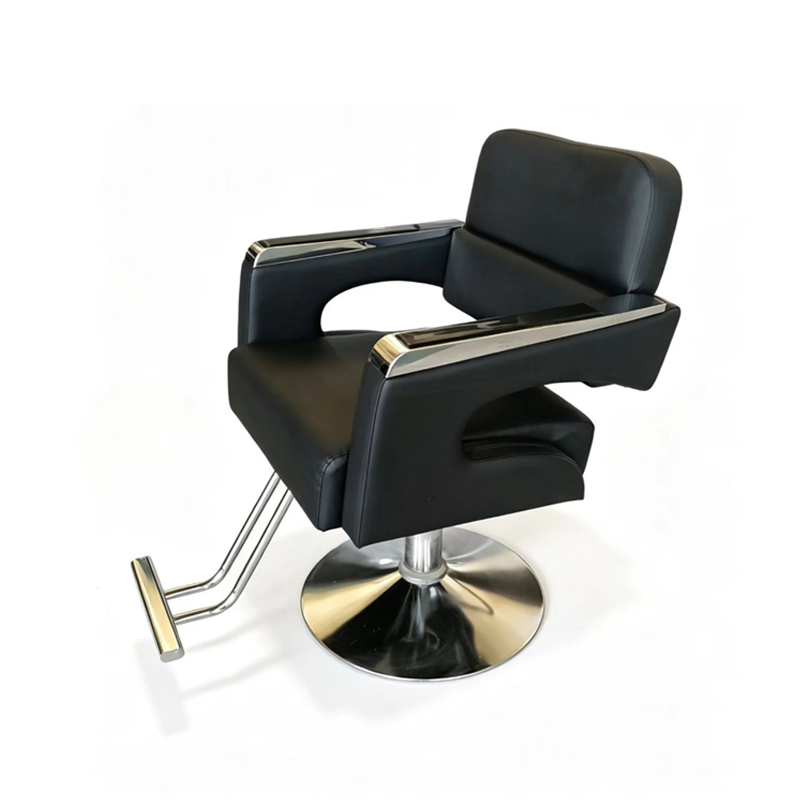
Use BZ005 Chrome Frame Barber Chair as a concrete catalog reference when discussing a leather barber chair with Junlin. The link identifies a current listed model; it does not confirm that every feature in your brief is available on that model. Ask the team to mark confirmed items and propose alternatives for any mismatch.
As you research leather barber chair, keep a separate note of dimensions, materials and support terms still to be confirmed. The OEM and wholesale service page provides a starting point for discussing samples and requested changes; the final scope belongs in the quotation.
Avoid These Purchasing Assumptions
When researching leather barber chair, do not transfer a statement from one product listing to another configuration. Similar upholstery and a shared visual style do not establish identical mechanics, dimensions or ratings. Treat a changed component or an unclear description as a question to resolve, rather than filling the gap with an assumption.
For general context, Wikipedia’s overview of the barber chair introduces the product category. It is background reading, not evidence of the specifications, certification or performance of any Junlin model. Use the supplier documents for the actual purchasing decision.
Prepare Your Inquiry
Bring your findings on a leather barber chair, station requirements and the completed comparison record to Junlin’s sales team. Include quantity, destination, the required finish and the questions left open after material approval. Request a model-specific quotation and sample proposal so the next decision rests on agreed information.
Frequently Asked Questions
Which details should I confirm when researching leather barber chair?
For anyone researching leather barber chair, the key items are material code; composition; seam finish; approved care instructions. Keep each response linked to the exact model and configuration rather than a general product family.
How does material approval help me assess a leather barber chair?
Use the stated operating instructions and a written checklist. When researching leather barber chair, record the observations that answer your purchasing question, then identify any change or further evidence needed.
Does the linked product confirm every requested option?
No. The linked catalog model is a reference for your inquiry. Unlisted colors, material choices, dimensions and functional changes require separate confirmation and a quotation.
Can I compare offers using the unit price alone?
Compare the same configuration and quantity first. The quotation should make its options, packing scope, validity and support arrangements clear before you compare totals.
What should I send with an inquiry about a leather barber chair?
Send the model reference, quantity, required finish, destination and your unresolved specification questions. Attach the relevant station measurements or approved sample references where available.